From Patient Calls to Intelligent Clinical Workflows
IP-BASED NURSE CALL & CLINICAL COMMUNICATION
MedSurgeTek’s IP-based Nurse Call solutions transform traditional nurse call systems into an intelligent clinical communication platform. Instead of treating a patient call as simply a buzzer or audible alarm, our approach treats every clinical notification as structured, actionable information that can be routed, prioritized, recorded, analyzed, and integrated with the hospital’s digital ecosystem.
Key Capabilities:
✓ IP-Based Patient Terminals
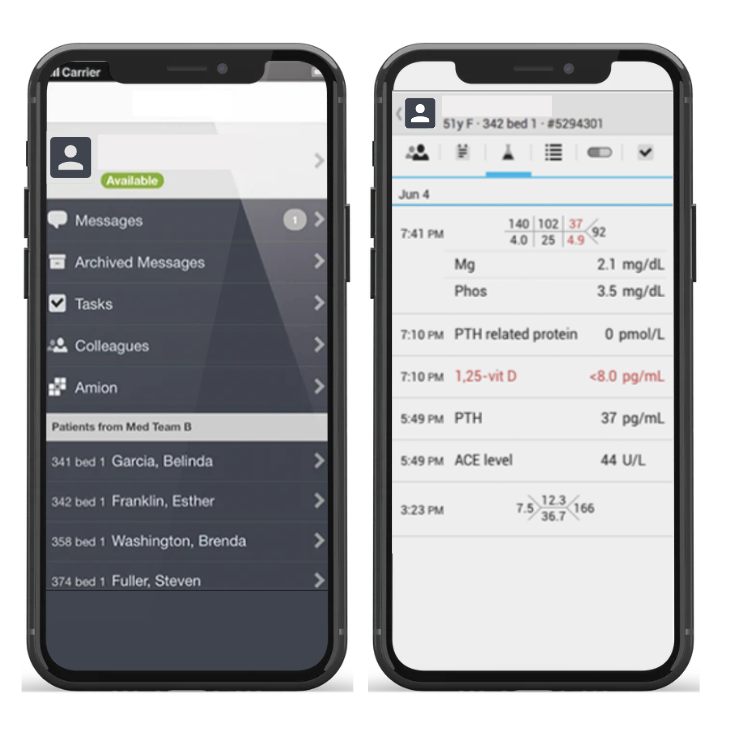
✓ Mobile Clinical Alerts
✓ Intelligent Escalation
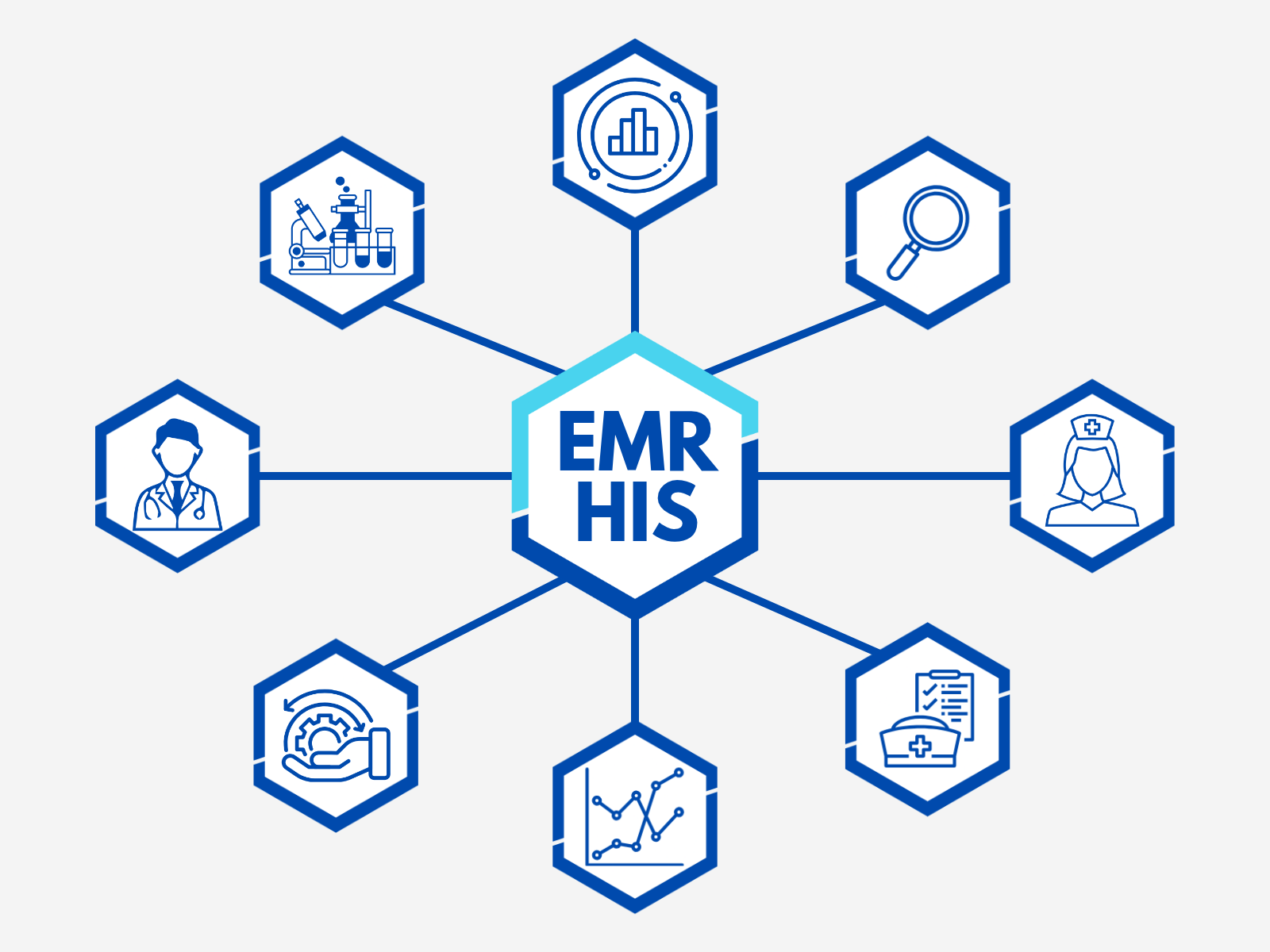
✓ EMR & HIS Integration
KEY CAPABILITIES:
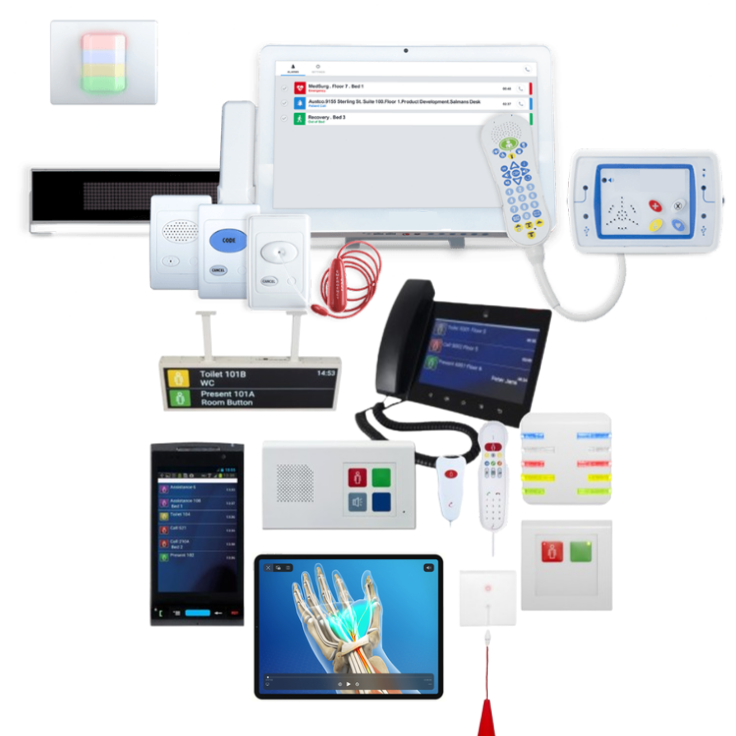
IP-Based Patient Terminals
● Network-based bedside patient stations
● Call buttons, pillow speakers, emergency calls, and toilet pull cords
● Two-way voice communication
● Nurse station console integration
● IP-based architecture for scalable deployment
KEY CAPABILITIES:
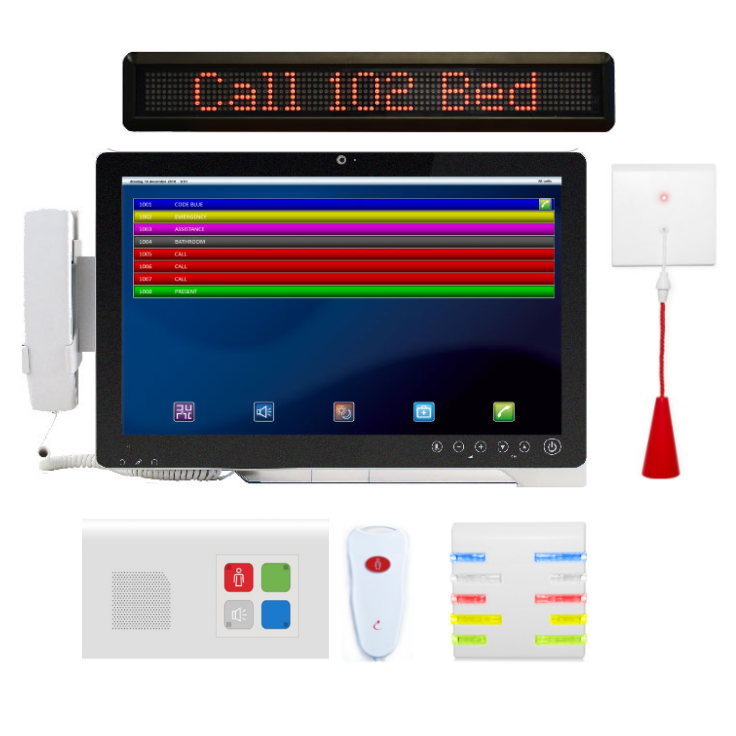
Mobile Clinical Alerts
● Route alerts directly to assigned nurses and clinical teams
● Integration with mobile clinical communication platforms
● Support for smart devices, IP DECT phones, pagers, and other communication endpoints
● Reduce dependence on centralized nurse stations
VoIP & Network Integration
We help hospitals integrate IP-based clinical communication into their existing network and communication infrastructure.
This may include:
● Nurse Call
● VoIP
● Wi-Fi phones
● IP DECT
● Mobile clinical communication
● Network-based clinical endpoints
KEY CAPABILITIES:
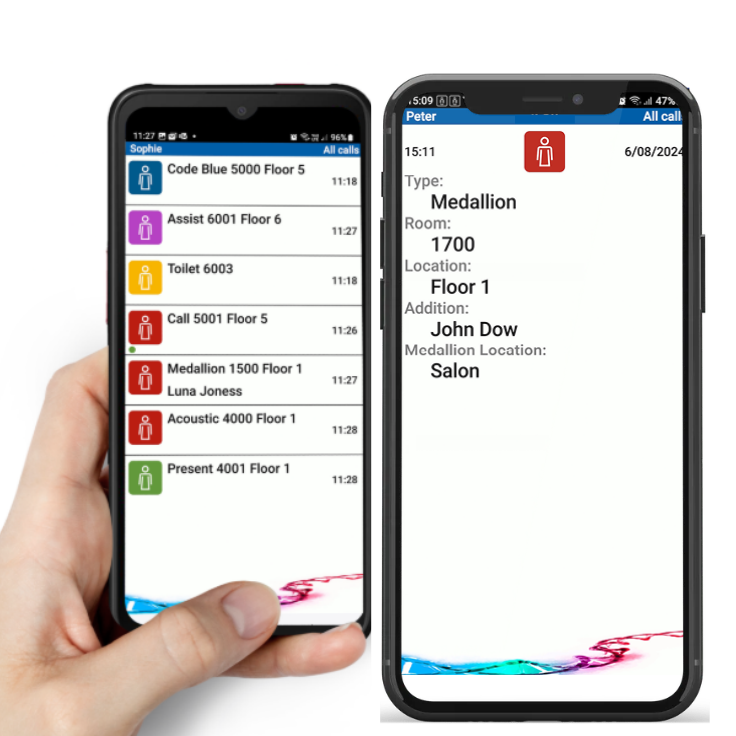
Intelligent Escalation
● Configurable response-time thresholds
● Automatic escalation to charge nurses or designated staff
● Priority-based alert routing
● Workflow-specific escalation pathways
KEY CAPABILITIES:
EMR & HIS Integration
MedSurgeTek can integrate nurse call workflows with hospital information systems through appropriate interoperability technologies and interfaces.
EMR Integration
Potential integration areas include:
● ADT — Admissions, Discharges & Transfers
● EMR/EHR
● HIS
● LDAP / Active Directory
● HL7 / FHIR-based interoperability
● SIP / VoIP communication
● Mobile clinical communication platforms
● Medical Device Integration
Automated Response Auditing
Every call and response can become a measurable clinical workflow event.
Depending on system configuration, hospitals can capture:
● Call initiation
● Call acknowledgement
● Response time
● Escalation events
● Call resolution
● User/device identification
● Time and date stamps
This creates valuable operational data for clinical informatics, quality improvement, nursing management, and workflow optimization.
Medical Device Integration
Where the hospital’s architecture and device interfaces support it, medical device alarms can be incorporated into clinical communication workflows.
Potential applications include integration with:
● Infusion pumps
● Patient monitoring systems
● Ventilators
● Vital-sign monitoring systems
● Other network-enabled medical devices